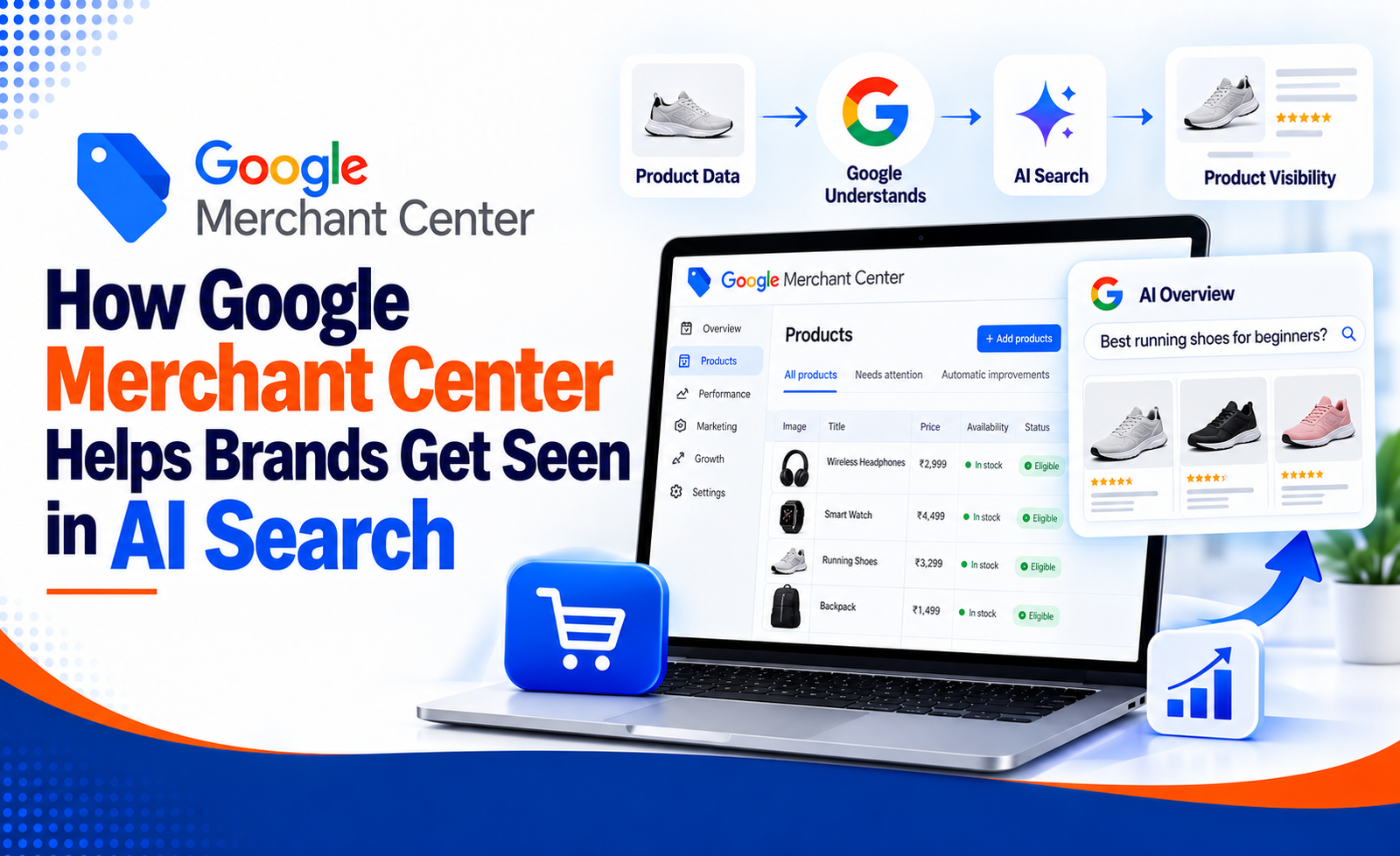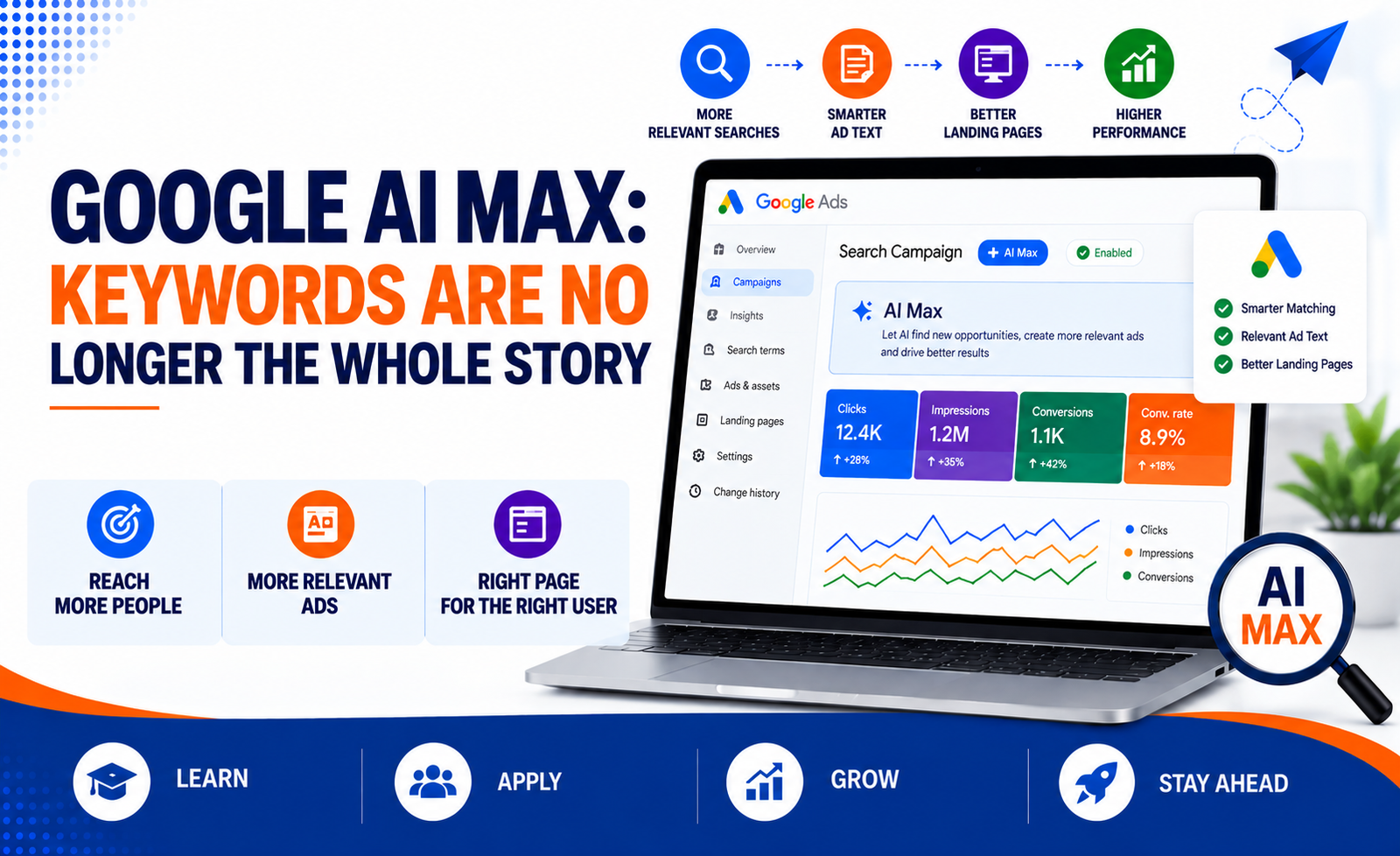
Google Search is changing quickly. People are no longer searching only with short keywords such as “digital marketing course” or “SEO services.” They are asking longer questions, comparing options, and looking for direct answers.
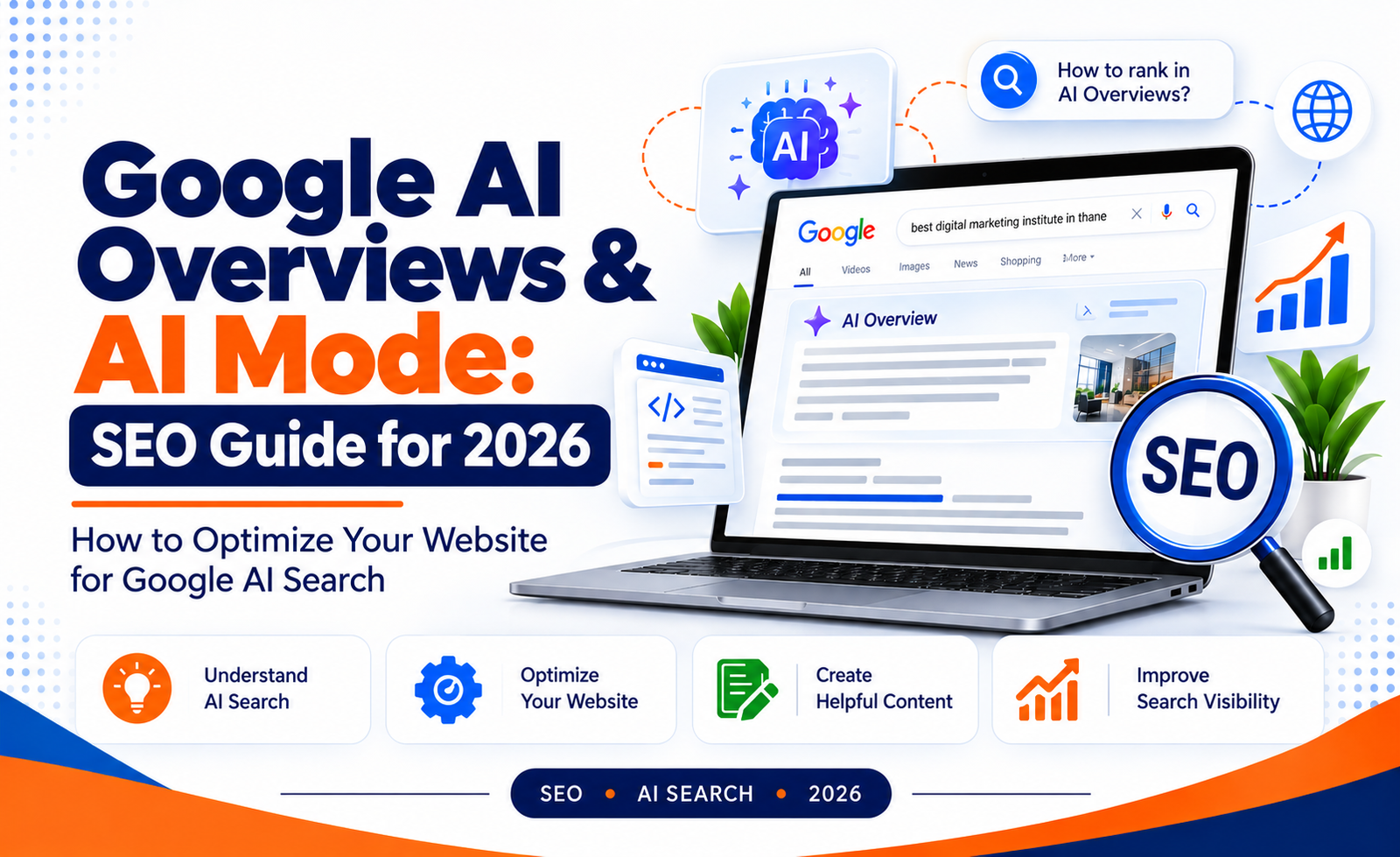
Google AI Overviews and AI Mode are becoming an important part of this new search experience. In 2026, businesses need to think beyond traditional rankings and focus on creating content that is useful, trustworthy, easy to understand, and technically accessible to Google.
The good news is that you do not need a completely different SEO strategy for AI Search. Google says that its generative AI search features still rely on core Search ranking and quality systems. This means strong SEO fundamentals remain important.
So, how can you prepare your website for Google AI Overviews and AI Mode?
What Are Google AI Overviews and AI Mode?
Google AI Overviews provide an AI-generated summary for certain searches and include links to relevant websites. They are designed to help users understand a topic quickly before exploring more information.
AI Mode takes this idea further. Users can ask detailed questions, continue the conversation, ask follow-up questions, and explore a topic from different angles.
This changes the way people discover information online. Instead of searching for one keyword and opening several pages, a user may ask Google a complete question.
For example, instead of searching:
“digital marketing course Thane”
someone may ask:
“What should I learn before joining a digital marketing course in Thane in 2026?”
This is why websites need content that answers real questions instead of simply repeating keywords.
1. Create Helpful Content That Answers Real Questions
The first step is simple: write for people.
Your content should solve a genuine problem, explain a confusing topic, or help readers make an informed decision.
Before writing a page or blog, ask:
- What is the reader trying to understand?
- What problem are they facing?
- What questions might they ask next?
- Can my content provide a useful answer?
- Am I adding something valuable that other websites do not explain clearly?
Avoid creating pages only because a keyword has search volume.
Google’s current guidance emphasizes useful, original and non-commodity content for its generative AI search experiences.
2. Use Clear Questions and Direct Answers
AI search often deals with detailed and conversational queries. Your content should therefore make important answers easy to find.
For example, if your article is about SEO in 2026, you could use headings such as:
What is AI Search?
Does traditional SEO still work in 2026?
How can a website appear in AI-generated search results?
Does AI-generated content affect SEO?
Give a clear answer first and then explain it.
This structure is useful for readers and makes the page easier to understand.
However, do not turn every paragraph into a short answer just to “please AI.” Google specifically says there is no need to rewrite content in a special format only for generative AI search.
3. Focus on Search Intent, Not Just Keywords
Keyword research is still important, but understanding search intent is even more important.
Suppose your keyword is “digital marketing course.”
Different users may have different intentions:
- A beginner may want to know what digital marketing includes.
- A student may be looking for a course.
- A working professional may want weekend classes.
- A business owner may want to learn digital marketing for their company.
Your content should address the actual reason behind the search.
This approach can help your website become relevant for a wider range of related queries without forcing every keyword into the content.
4. Build Strong Topic Coverage
One blog is rarely enough to establish expertise around a competitive subject.
Instead, create a group of connected articles.
For example, a digital marketing website could publish content about:
- SEO basics
- Technical SEO
- Keyword research
- Google Search Console
- AI Search
- Content marketing
- Local SEO
- Google Business Profile
- Social media marketing
- Google Ads
Then connect these articles with relevant internal links.
This creates a clear content structure and helps visitors move from one useful resource to another.
5. Improve Your Technical SEO
Great content cannot perform properly if search engines cannot access or understand your website.
Check the technical foundation of your website regularly.
Important areas include:
- Website crawlability
- Indexing
- Mobile usability
- Page speed
- HTTPS
- Internal linking
- Clean URLs
- XML sitemap
- Robots.txt
- Canonical tags
- Structured data where relevant
Google’s guidance makes it clear that normal SEO best practices continue to matter for generative AI features. There is no special “AI ranking formula” that replaces technical SEO.
6. Add First-Hand Experience and Original Information
In 2026, simply rewriting information available on hundreds of websites is unlikely to make your content stand out.
Try adding something original.
For example, you can include:
- Your own examples
- Real project observations
- Screenshots
- Step-by-step processes
- Case studies
- Original research
- Expert opinions
- Common mistakes you have observed
- Practical results and lessons
This makes content more useful and gives readers a reason to trust your website.
Google has also highlighted the importance of original content and first-hand perspectives in its evolving AI Search experience.
7. Don’t Ignore Images and Videos
Search is becoming more visual and interactive.
A useful article can include relevant images, diagrams, screenshots, infographics or videos when they genuinely help explain the subject.
For example, an SEO tutorial can show a Google Search Console report instead of explaining every screen only with text.
The goal is not to add images simply for SEO. The goal is to make the content easier to understand.
8. Make Your Website Easy to Navigate
User experience still matters.
A visitor should quickly understand:
- What your website offers
- Who it is for
- What information is available
- Where to find related content
- How to contact your business
Use descriptive headings, short paragraphs, useful navigation and relevant internal links.
Avoid stuffing pages with unnecessary pop-ups, repetitive sections or keywords that make the content difficult to read.
9. Don’t Waste Time on Fake AI SEO Hacks
The growth of AI Search has created many new SEO terms and shortcuts.
But not every new “AI SEO trick” is useful.
For example, Google’s current documentation says websites do not need special AI-only files such as llms.txt to appear in Google Search’s generative AI features. Google also says there is no special schema markup required specifically for AI Overviews or AI Mode.
Instead of chasing every new hack, focus on things that have lasting value:
Useful content + technical SEO + strong internal linking + original information + good user experience.
10. Track How Your Website Performs
SEO should not end after publishing a blog.
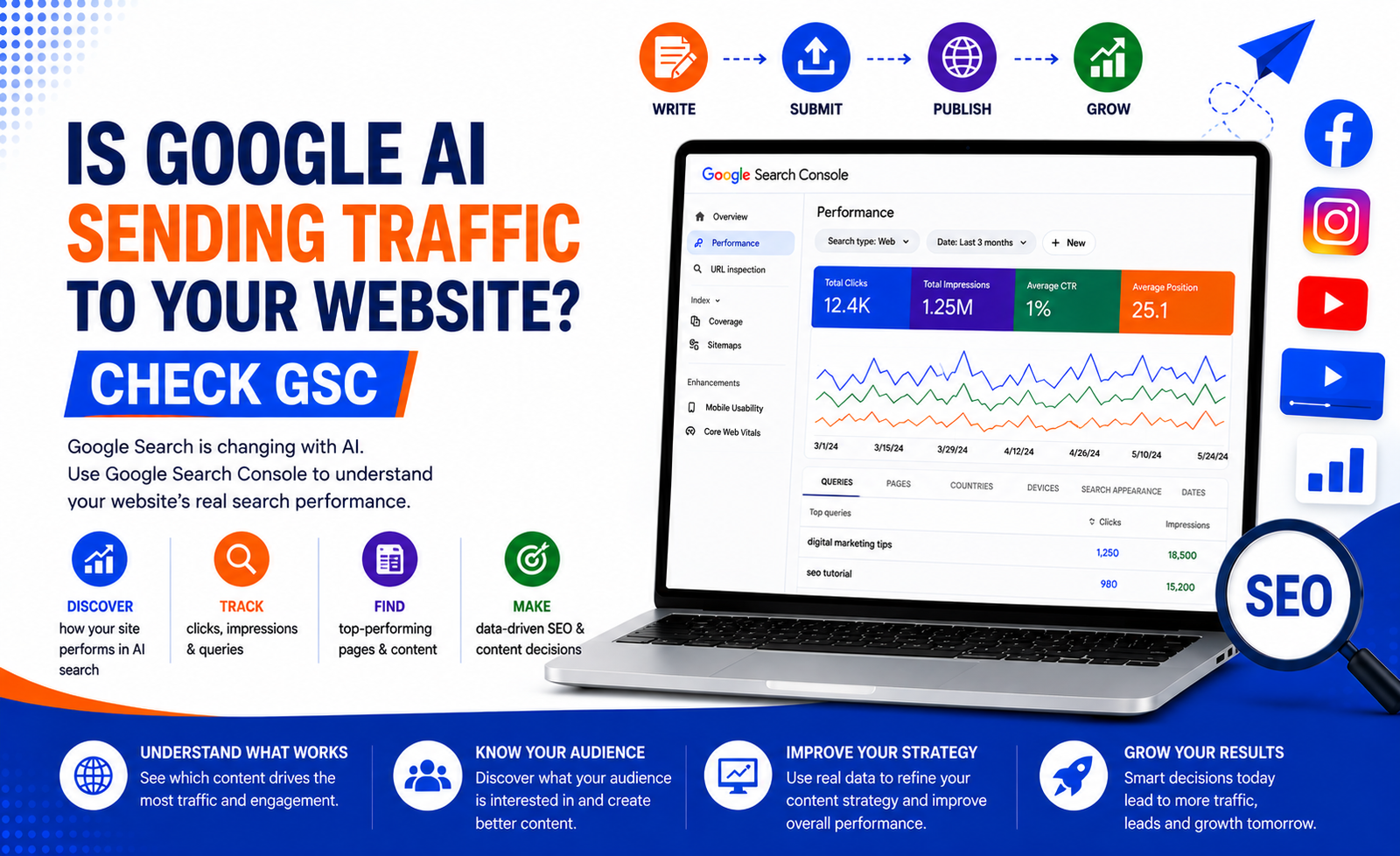
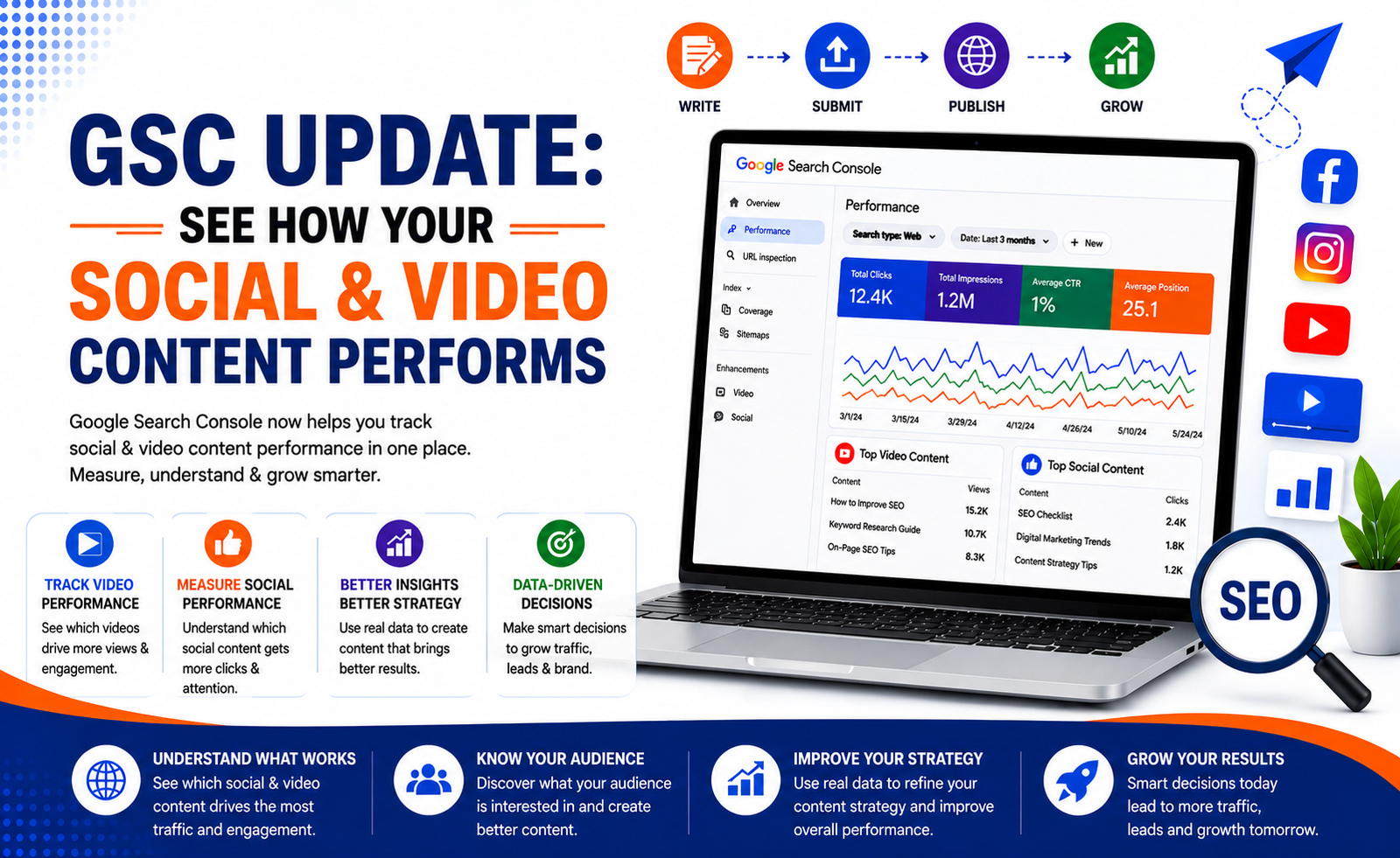
Keep checking your website’s performance and understand which pages are getting impressions, clicks and engagement.
Google announced new Search Console insights for generative AI search features, including information about impressions and pages appearing in AI responses. As of August 31, 2026, Google said these features had rolled out worldwide.
This gives website owners more ways to understand how their content is discovered as Search continues to evolve.
How Esuccess Academy Approaches Digital Marketing in 2026
Learning digital marketing today requires more than memorizing old SEO techniques.
At Esuccess Academy, learners can build their understanding around modern digital marketing areas such as SEO, Google Ads, social media marketing, content marketing and AI-driven changes in digital marketing.
For someone searching for the best digital marketing institute in Thane, it is important to look beyond course names and check whether the learning approach covers practical skills that businesses actually use.
The digital marketing industry is changing, and students need to understand both the fundamentals and the new tools shaping search and online marketing.
Conclusion
Google AI Overviews and AI Mode are changing how people discover information, but this does not mean traditional SEO is dead. In fact, the fundamentals have become more important. Create useful content. Understand search intent. Keep your website technically healthy. Add original information. Build meaningful internal links. Improve user experience. And keep learning as Search evolves.
The biggest mistake in 2026 is to search for a shortcut to AI Search visibility. A better approach is to build a website that genuinely deserves to be found. That is the kind of SEO strategy that can remain useful even as Google’s search experience continues to change.